


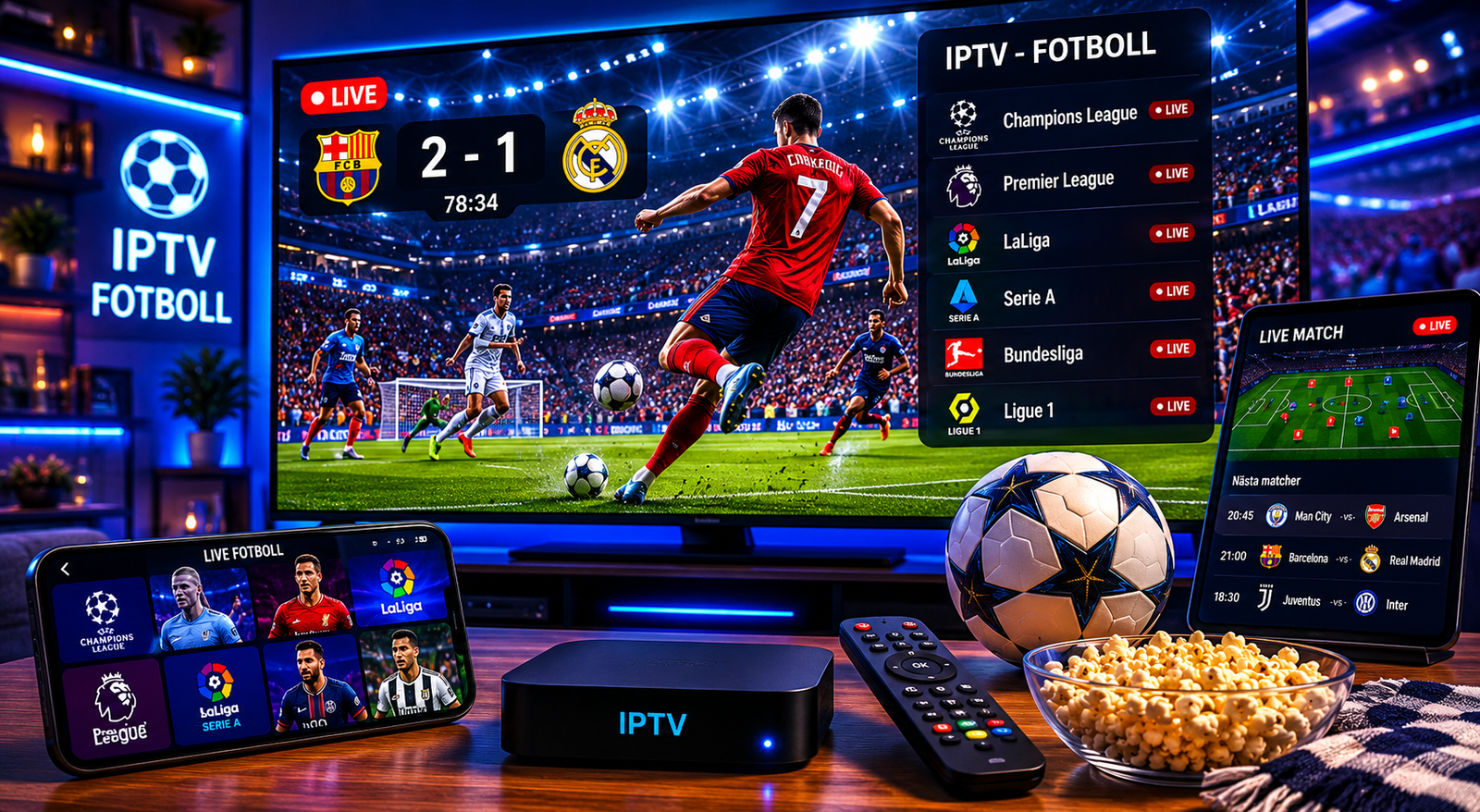
The way people consume television has changed dramatically over the past decade. Traditional television was once the primary source of entertainment for households around the world, providing scheduled programming through cable, satellite, or broadcast networks. Today, internet based streaming services have become a major part of everyday life, giving viewers more control over what they watch and when they watch it.
Both options continue to serve different audiences, but modern viewing habits have shifted expectations. Consumers now value flexibility, convenience, and personalized entertainment more than ever before. As a result, many households are comparing streaming services with traditional television before deciding which option best fits their needs.
The answer is not always about choosing one over the other. Instead, it is about understanding what matters most for today's viewers and how each approach supports different entertainment preferences.
How Television Has Changed Over Time
Television has evolved alongside advances in technology.
For many years, traditional broadcasting was the standard way to access news, sports, movies, and television shows. Families organized their schedules around broadcast times, and viewers accepted that missing a program often meant waiting for another opportunity to watch it.
The growth of high speed internet introduced a different model. Streaming platforms allowed audiences to access content on demand rather than following fixed schedules.
This shift transformed television from a scheduled activity into a personalized experience that adapts to individual lifestyles.
Flexibility Has Become a Top Priority
One of the biggest differences between streaming services and traditional television is flexibility.
Traditional television follows broadcast schedules, requiring viewers to tune in at specific times for many programs. Although recording options have improved convenience, scheduling still plays an important role.
Streaming services allow viewers to watch content whenever it fits their schedule. Whether someone has time early in the morning, during lunch breaks, or late at night, entertainment remains available without depending on broadcast timetables.
For busy professionals, students, and families, this flexibility has become one of the most valuable features of modern entertainment.
Accessibility Across Multiple Devices
The modern household uses far more than one television.
Smartphones, tablets, laptops, desktop computers, Smart TVs, and streaming devices have become common ways to consume entertainment. Viewers expect content to move with them rather than remain tied to a single room.
Streaming services are designed for this connected lifestyle, allowing users to switch between devices while maintaining easy access to their favorite content.
Traditional television has expanded its digital capabilities, but streaming platforms generally provide broader support for multi device viewing.
Accessibility has become a major consideration for today's audiences.
Content Variety and Personal Choice
Content availability influences how people choose entertainment platforms.
Traditional television offers live channels, scheduled programming, and local broadcasts that many viewers continue to value. Live news, sporting events, and special broadcasts remain important parts of the television experience.
Streaming services focus on providing large content libraries that include movies, television series, documentaries, and original programming. Many platforms also support on demand viewing, allowing audiences to watch content whenever they choose.
The wider variety of available content gives viewers greater freedom to explore different genres and interests.
Personalization Improves Entertainment
Modern audiences increasingly expect entertainment platforms to adapt to their preferences.
Streaming services commonly provide personalized recommendations, watchlists, search tools, and user profiles that simplify content discovery. These features reduce the time spent searching for something to watch.
Many viewers looking for a better viewing experience appreciate platforms that organize entertainment according to personal interests instead of presenting identical schedules to every household.
Personalization has become one of the defining features of digital entertainment.
Live Programming Still Has Value
Despite the growth of streaming, traditional television continues to offer important advantages.
Live sporting events, breaking news, award ceremonies, and community programming often attract viewers who prefer real time broadcasts. Watching events as they happen creates a shared experience that many audiences still enjoy.
Streaming services have also expanded into live programming, reducing the gap between internet based entertainment and conventional television.
As technology improves, viewers increasingly gain access to both live and on demand content through the same platforms.
Convenience Shapes Consumer Decisions
Convenience has become one of the strongest influences on entertainment choices.
Consumers want services that are easy to use, simple to navigate, and available whenever needed. The ability to pause, resume, search, and organize content contributes to a smoother viewing experience.
Streaming platforms often place greater emphasis on intuitive interfaces and user friendly navigation, helping viewers spend less time searching and more time enjoying entertainment.
This convenience continues attracting households that value efficiency.
Technology Continues Driving Change
The future of television is closely connected to technological innovation.
Faster internet speeds, cloud computing, artificial intelligence, and improved content delivery systems continue enhancing streaming performance. At the same time, traditional television providers are introducing more digital features to remain competitive.
The distinction between streaming services and traditional television is becoming less pronounced as both continue adopting similar technologies.
Future entertainment will likely combine the strengths of both approaches.
Choosing the Right Option for Your Household
The best entertainment solution depends on individual preferences and viewing habits.
Some households prioritize live programming and familiar television channels, while others value flexibility, on demand content, and multi device accessibility.
Rather than focusing only on one option, many viewers combine different entertainment services to create a setup that matches their lifestyle.
Understanding personal viewing habits is the most effective way to choose the right solution.
The Future of Home Entertainment
Consumer expectations will continue shaping the entertainment industry.
Viewers increasingly expect personalized recommendations, seamless access across devices, reliable streaming, and flexible viewing options. Providers that successfully deliver these experiences will continue attracting modern audiences.
As technology evolves, entertainment will become even more connected, accessible, and user focused.
The future is likely to focus less on the platform itself and more on providing the best overall experience.
Conclusion
The comparison between streaming services and traditional television is no longer about determining which one is universally better. Instead, it is about identifying which option best supports today's viewing habits.
Streaming services excel in flexibility, personalization, and multi device accessibility, while traditional television continues to offer valuable live programming and familiar viewing experiences.
As the entertainment landscape continues evolving, households will increasingly choose solutions that combine convenience, accessibility, and content variety. What matters most today is not how television is delivered, but how effectively it meets the needs of modern viewers.

 English
 Arabic
 French
 Spanish
 Portuguese
 Turkish
 Dutch
 Italiano
 Russian
 Romaian
 Portuguese (Brazil)
 Greek