


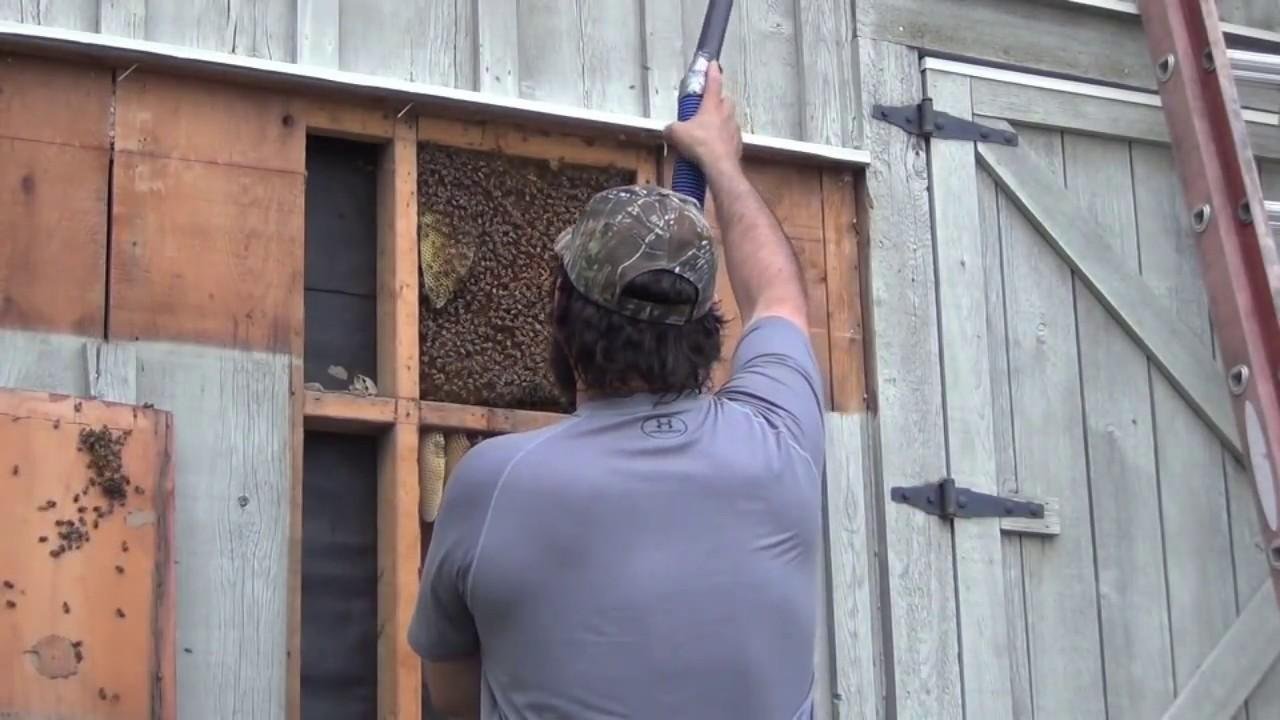
The safest way to manage a honey bee infestation around a Frisco property is to identify the bees, keep people away from concentrated activity, and determine whether the colony is exposed or established inside a structure. Honey Bee Removal in Frisco, TX can involve removing a visible swarm, accessing a colony inside a wall or roof cavity, or coordinating live removal when conditions allow. The right approach depends on the colony's location, accessibility, and potential impact on people and the building.
Understanding Honey Bee Activity Around Frisco Properties
Honey bees can establish colonies in sheltered locations such as wall voids, roof spaces, soffits, chimneys, and other protected cavities. A property owner may notice bees entering and leaving a small opening without realizing that a colony is developing behind the surface.
Not every cluster of bees represents an established infestation. A swarm may temporarily gather on a branch, fence, exterior wall, or other surface while scout bees search for a suitable nesting location.
Texas A&M AgriLife Extension explains that honey bee swarms can be relatively docile when left undisturbed, although colonies established inside buildings require a different approach.
The first step is therefore identification and observation rather than immediate treatment.
Look for these signs:
- Bees repeatedly entering the same hole or gap.
- Consistent flight activity around one section of a building.
- Buzzing coming from inside a wall or ceiling.
- Bees appearing through an interior opening.
- Visible comb or nesting material.
- Increasing activity around a previously quiet location.
These clues can help determine whether the property has a temporary swarm or an established colony.
How Honey Bee Removal in Frisco, TX Should Begin
A professional removal process should begin with an inspection of the affected area. The objective is to identify the insects, locate the colony, evaluate access, and determine the safest management method.
For a residential property, the inspection may focus on rooflines, attics, wall cavities, chimneys, siding, and outdoor structures. On commercial properties, technicians may also need to consider entrances, walkways, loading areas, employee zones, and customer traffic.
A useful comparison for property owners is:
The inspection should also establish whether the colony can be reached without unnecessary damage to the building.
A provider who explains the location and proposed process gives the property owner more useful information than a service that simply promises to eliminate visible bees.
When Honey Bee Nest Removal Becomes Necessary
A colony inside a structure creates different challenges from bees gathered on an exposed branch.
Honey Bee Nest Removal in Frisco, TX may require access to a wall, roof cavity, soffit, chimney, or another enclosed area. The technician may need to locate the comb and determine how the colony entered the structure.
One practical lesson from structural bee work is that removing visible bees does not necessarily remove the source. If bees are repeatedly disappearing through a small gap beneath roof flashing, for example, the important question is what is behind that opening.
Treating only the visible activity can leave the colony undisturbed inside the cavity.
What Should Be Checked?
A complete assessment should consider:
Entry point: Where are the bees entering?
Colony location: Where is the main population established?
Comb: Is nesting material present inside the cavity?
Access: Can the area be reached safely?
Structure: Will removal require opening or repairing part of the building?
Exclusion: How can the original entry point be addressed after removal?
This approach creates a clearer connection between pest management and property maintenance.
Live Removal Versus Conventional Pest Treatment
Property owners comparing bee management options should ask what outcome they want and what the property can safely accommodate.
Live removal may be considered when preserving a honey bee colony is practical. Texas A&M AgriLife Extension notes that beekeepers may sometimes provide live honey bee removal and relocation services.
However, live relocation is not automatically suitable for every situation. A colony located deep inside an inaccessible cavity can present different technical challenges from an exposed swarm.
The choice should therefore be based on the actual site rather than a generic promise that one method works for every hive.
Property owners can ask:
- What species has been identified?
- Is this a swarm or established colony?
- Where is the nest located?
- Can the bees be removed alive?
- What happens to the comb?
- Will the cavity require cleanup?
- How will the entrance be secured afterward?
- What areas should occupants avoid during the work?
These questions make it easier to compare providers on process, not just price.
Managing Bee Activity Around Homes and Businesses
Residential and commercial properties can require different safety planning.
At a home, children and pets may accidentally approach a colony. Homeowners should keep household members away from concentrated bee activity until the area has been assessed.
A commercial property can create additional exposure because customers, employees, delivery drivers, and contractors may pass close to the affected location.
A hive beside a restaurant entrance, retail storefront, office walkway, or loading zone should be treated as a site management issue as well as a pest concern.
Property managers can temporarily reduce exposure by:
- Restricting access to the affected area.
- Posting temporary warnings where appropriate.
- Keeping doors and windows closed near concentrated activity when practical.
- Moving routine work away from the colony.
- Recording the hive location for maintenance teams.
- Arranging professional identification and assessment.
The goal is to control human interaction with the colony while a suitable removal plan is developed.
Preventing Another Colony From Using the Same Location
Post removal inspection deserves as much attention as the initial response.
If bees entered through a structural gap, simply removing the colony may leave the same pathway available to another swarm. Texas A&M AgriLife Extension recommends addressing openings that can provide access to buildings when preventing honey bee colonies from becoming established.
Common areas worth inspecting include roof edges, soffits, siding transitions, vents, utility penetrations, masonry gaps, and openings around other building components.
The timing and method of sealing should be coordinated with the removal process. Blocking an active colony's entrance without understanding where the bees are located can complicate the situation.
A Simple Property Follow Up Checklist
After removal, document:
Location: Where was the colony established?
Access point: How did the bees enter?
Nesting material: Was comb present?
Structural work: Does the area require repair?
Exclusion: Has the entry point been appropriately addressed?
Monitoring: Should the property be checked again?
This checklist gives homeowners and commercial property managers a practical record for future maintenance.
FAQ
How can I tell if bees have built a nest inside my house?
Repeated bee traffic through one opening is a common sign that bees may have established a colony inside a cavity. Buzzing from a wall or ceiling and visible comb can provide additional clues, but a professional inspection is appropriate before disturbing the area.
Should I remove a honey bee swarm myself?
It is safer to avoid disturbing a concentrated swarm, particularly if you cannot confidently identify the insects. Keep people and pets away and arrange an assessment when the swarm is creating a property or safety concern.
What happens after a honey bee colony is removed?
The property should be checked for remaining comb, honey, structural openings, and other conditions associated with the former nesting location. Addressing the access point can help reduce the chance that another colony will use the same cavity.
Conclusion
Effective Honey Bee Removal in Frisco, TX starts with understanding what is actually happening at the property. A temporary swarm, an established colony inside a wall, and a hive beside a busy commercial entrance each require different planning.
Property owners should prioritize identification, distance, inspection, and a clear removal strategy. When live removal is practical, relocation can be considered; when a colony occupies a difficult structural cavity, the plan may require careful access and follow up work. The most useful approach is one that addresses both the bees and the conditions that allowed them to establish the nest in the first place.

 English
 Arabic
 French
 Spanish
 Portuguese
 Turkish
 Dutch
Dutch
 Italiano
 Russian
 Romaian
 Portuguese (Brazil)
 Greek
Greek