


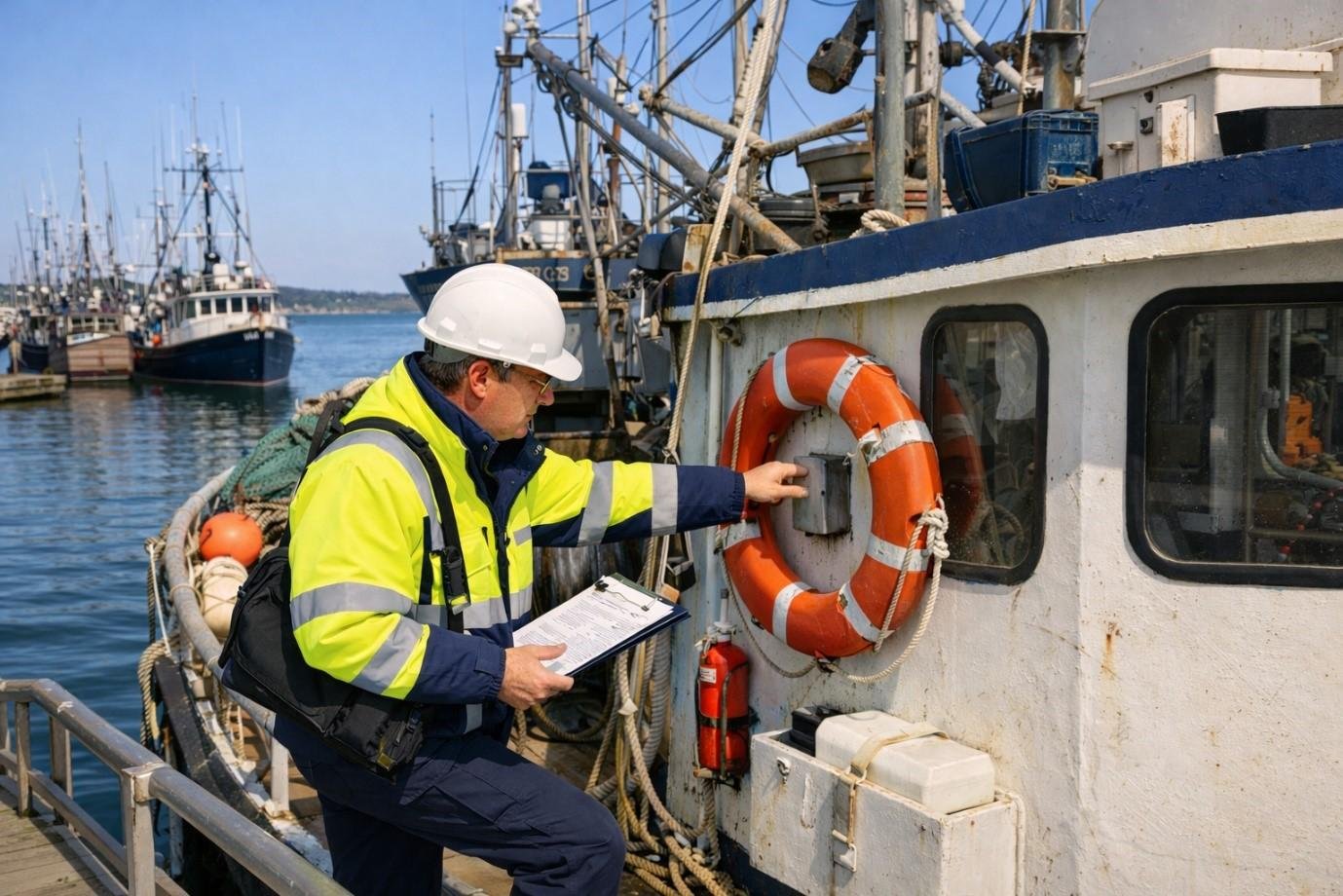
A boat fire can happen quickly, but understanding what happened afterward can take considerably longer. By the time investigators examine the vessel, flames may be gone, compartments may be heavily damaged, and important systems may have been affected by both heat and firefighting efforts.
The remaining physical evidence can still help establish a sequence of events. By examining the vessel systematically, investigators can compare damage patterns, equipment conditions, witness observations, and available records to develop a clearer picture of how the incident unfolded.
Why Reconstruction Matters
A fire investigation is not limited to determining how much damage occurred. It may also involve questions about where the fire began, what systems were operating, how the fire spread, and whether particular conditions existed before the incident.
These questions often cannot be answered by looking at one damaged component.
Instead, investigators examine multiple pieces of information and consider how they relate to one another. A burned electrical panel, for example, may be important, but its significance depends on its location, surrounding damage, condition, and relationship to other evidence.
Starting With the Vessel's Condition
The condition of the boat after the fire provides the physical starting point for an investigation.
Investigators may photograph and document:
- Interior and exterior fire damage
- Burned and partially burned materials
- Structural deformation
- Electrical components
- Engine and machinery spaces
- Fuel-system components
- Wiring and electrical panels
- Smoke and soot deposits
- Firefighting-related damage
Both heavily damaged and relatively unaffected areas should be recorded. Comparing these locations can help reveal how the fire affected different parts of the vessel.
Examining the Fire Damage Pattern
Fire does not necessarily spread evenly through a boat. Compartment design, ventilation, available fuel, openings, and the arrangement of equipment can all influence how flames and heat move.
For this reason, the most severely burned area should not automatically be considered the point of origin.
Investigators may compare the depth and distribution of burning across different spaces. They may also look at heat damage, soot deposits, melted materials, and the condition of nearby components.
These observations can help identify areas that require more detailed examination.
Electrical Evidence Can Add Context
Electrical systems are often an important part of a boat fire investigation.
Wiring, batteries, chargers, circuit panels, switches, motors, and other electrical components may be examined for relevant conditions. Investigators consider whether damage appears consistent with the fire itself or whether there are indications of a condition that existed before ignition.
This distinction can be difficult because intense heat can produce extensive electrical damage.
A melted wire or damaged electrical component does not automatically establish that the component caused the fire. Its position and condition must be evaluated alongside the surrounding evidence.
Mechanical and Fuel Systems
Engine compartments and fuel systems may also provide important information.
Depending on the vessel, an examination may include engines, fuel tanks, hoses, filters, pumps, exhaust components, ventilation arrangements, and associated electrical equipment.
Investigators can consider whether a particular component was damaged before or during the fire, or whether its condition is more consistent with exposure to heat afterward.
Maintenance records and previous inspection information can be particularly useful when interpreting these findings.
Using Witness Observations
People who witnessed the incident can provide information that physical evidence cannot always reveal.
Someone may have noticed where smoke first appeared, which equipment was operating, whether an alarm sounded, or how the fire appeared to spread.
These observations can help establish a preliminary timeline.
Investigators can then compare the reported sequence with the vessel's physical condition. If the observations and physical evidence are consistent, they can contribute to a more complete reconstruction. If they differ, the discrepancy may indicate an area requiring additional investigation.
Preserving Evidence Before Repairs
The condition of a fire-damaged boat can change quickly after the incident.
Cleanup, dismantling, removal of damaged equipment, and repairs can alter or eliminate evidence. Before major changes are made, relevant areas should be documented as thoroughly as practical.
Photographs should include both overall views and detailed images. Measurements, diagrams, component identification, and written observations can provide additional context.
Previous photographs and maintenance records can also help establish what the vessel looked like before the fire.
Comparing Before and After Conditions
Pre-incident information can be extremely useful when reconstructing a fire.
A previous survey may document wiring, machinery, structural conditions, or equipment installations. Maintenance records may identify repairs or modifications. Owner photographs may show the arrangement of components before the incident.
Comparing this information with post-fire observations can help distinguish older conditions from new damage.
This is particularly important when a vessel contains corrosion, previous repairs, modified wiring, or other conditions that could otherwise be mistaken for fire-related findings.
Building a Sequence From Multiple Sources
A reliable reconstruction generally comes from connecting several types of evidence.
Investigators may consider:
- The vessel's condition before the incident
- What equipment was operating
- Where smoke or flames were first observed
- The progression of visible fire and smoke
- The location and severity of physical damage
- Electrical and mechanical findings
- Fuel-system conditions
- Firefighting actions
- Post-fire changes to the vessel
Each piece adds context to the others.
For example, a reported fire location can be compared with electrical equipment in that area, surrounding burn damage, and the condition of nearby machinery. The purpose is to determine whether the available evidence supports a consistent sequence rather than relying on a single observation.
Separating Primary and Secondary Damage
Not every damaged component contributed to the start of the fire.
Some equipment may have been directly involved in ignition, while other components were damaged later as the fire spread. Heat, smoke, water, and firefighting activities can all create secondary effects.
Distinguishing these conditions is an important part of reconstruction.
A systematic examination helps investigators avoid treating every burned or melted component as an independent cause.
Creating a Defensible Record
A detailed investigation should leave behind a clear record of what was observed.
Photographs, measurements, diagrams, maintenance documents, witness accounts, and inspection notes can help others understand how conclusions were reached.
The value of reconstructing the incident is therefore not simply in identifying a possible origin. It is in connecting individual findings into a documented sequence that can be reviewed and compared with the available evidence.
From Fire Damage to a Timeline
A burned vessel may initially look like a collection of unrelated damage. Careful examination can reveal relationships between different areas and systems.
Structural conditions, electrical components, machinery, fuel systems, fire patterns, witness observations, and historical records can each contribute information about the sequence of events.
No single piece of evidence necessarily explains the entire incident. By documenting the vessel carefully and comparing multiple sources, investigators can develop a more organized understanding of what happened before, during, and after the fire.
That process turns the remaining condition of the boat into useful evidence for understanding the incident and determining what questions should be examined further.

 English
 French
 Spanish
 Portuguese
 Deutsch
 Turkish
 Dutch
Dutch
 Italiano
 Russian
 Romaian
 Portuguese (Brazil)
 Greek
Greek