


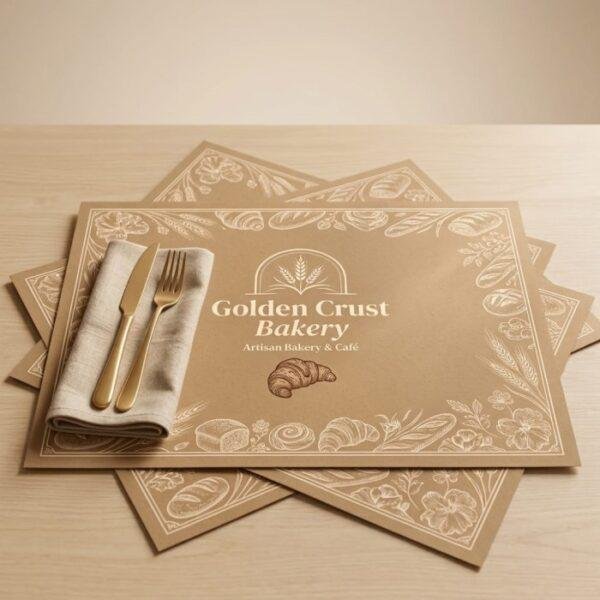
Casual dining does not need to feel plain or careless. Small details can make a meal feel more comfortable and welcoming without making the restaurant look formal. Customers often notice these details while waiting for their food or sitting down with friends and family.
Simple table elements such as napkins, cutlery, menus, and personalised paper placemats can add character to a dining space. When these items are clean, useful, and matched with the restaurant’s style, they can make an ordinary meal feel more thoughtfully planned.
Start With a Clean Table
A clean table is one of the simplest ways to improve the dining experience. Customers want a fresh place to sit before their food arrives.
Staff should check tables regularly and remove used items quickly. Tables should also be wiped properly between customers.
Clean surfaces do not need expensive decorations. Basic care can make the whole dining area feel more comfortable.
Keep Table Items Simple
Too many items can make a table feel crowded. Customers need enough space for plates, drinks, phones, and other personal items.
Restaurants can focus on the things customers actually need. A napkin, suitable cutlery, and a simple table setting may be enough for a casual meal.
Keeping the table simple also makes it easier for staff to clean and reset between customers.
Choose Colors That Work Together
Colors can change how a dining area feels. Table items do not need to match perfectly, but they should work well with the restaurant’s overall design.
For example, a restaurant with warm walls and wooden furniture may use soft natural tones. A modern café may use a smaller selection of clean, simple colors.
Using a consistent color style can help different parts of the restaurant feel connected.
Add Small Personal Touches
Small details can give a restaurant more personality. A short welcome message, a simple illustration, or a seasonal design can make a table feel less generic.
These details should still be useful or easy to understand. Customers should not feel surrounded by unnecessary information.
Restaurants can also change small table details for holidays, local events, or seasonal menus without changing the entire dining space.
Make Information Easy to Find
Table settings can also help customers find useful information. Restaurants may include a small menu card, allergy note, ordering instructions, or information about daily specials.
The information should be short and easy to read. Small text or crowded designs can make a table feel messy.
Clear information can help customers make choices without needing to ask staff for every small detail.
Think About Comfort
A thoughtful table setting should make dining easier, not harder. Customers need enough room to move their plates, reach their drinks, and talk comfortably.
Table materials should be the right size for the surface. Items that slide around easily can become annoying during a meal.
Restaurants should also consider families and larger groups. A table arrangement that works for two people may not work as well for six.
Connect the Table With the Restaurant
Table details can support the restaurant’s overall style. The same colors, logo style, or design patterns used on menus and signs can appear on the table in a simple way.
This does not mean every item needs a logo. Too much branding can make a casual space feel crowded.
A few repeated design elements are often enough to create a sense of connection between the table and the rest of the restaurant.
Focus on Clean and Practical Materials
The material used for table items matters as much as their appearance. Restaurants need options that are practical for everyday service.
Table materials should be easy to handle, store, replace, and dispose of when needed. Food-related materials should also be suitable for their intended use.
Staff should know how each material should be handled and replaced. Good material choices can support both appearance and smooth restaurant operations.
Listen to Customer Feedback
Restaurants can learn a lot by paying attention to customer reactions. Guests may mention that a table feels crowded, that information is hard to read, or that certain items are unnecessary.
Staff can also identify problems during busy periods. If a table setting repeatedly gets in the way of serving food, it may need to be changed.
Small adjustments based on real experience can make table settings more useful over time.
Conclusion
Thoughtful dining does not always require expensive furniture or elaborate decorations. Clean tables, simple colors, useful information, comfortable layouts, and small personal touches can all improve a casual restaurant experience. Restaurants can also choose practical materials such as printed food wrapping paper when suitable for food presentation and service, helping small details support both the appearance and everyday function of the dining experience.

 English
 Arabic
 French
 Spanish
 Portuguese
 Deutsch
 Turkish
 Dutch
Dutch
 Italiano
 Russian
 Romaian
 Portuguese (Brazil)