


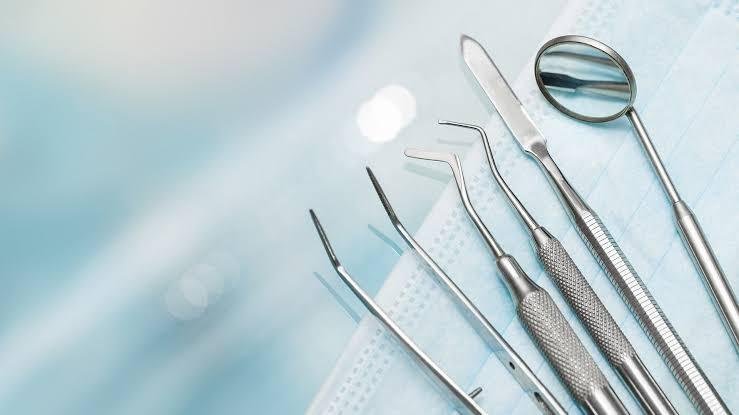
Dental instruments are an essential part of everyday clinical practice. From routine examinations to more specialised procedures, dental professionals rely on instruments that provide accurate handling, dependable performance, and appropriate control. The quality of these tools can directly influence how efficiently professionals carry out their work, making careful instrument selection an important consideration for modern dental practices.
High-quality instruments are designed to withstand regular professional use while maintaining their functionality over time. When choosing equipment from a dental instrument supplier, professionals should consider factors such as material quality, precision, ergonomics, durability, maintenance requirements, and suitability for the intended application.
Why Precision Matters in Dental Instruments
Precision is particularly important in dentistry because many procedures involve small working areas and require controlled movements. Instruments need to perform their intended functions accurately so professionals can work with confidence.
A well-designed dental instrument should provide consistent handling and appropriate control. Manufacturing accuracy, instrument dimensions, balance, and finishing can all influence performance.
Whether an instrument is used for examination, probing, extraction, or another dental procedure, selecting a tool designed specifically for its intended purpose can support more efficient clinical work.
High-Quality Materials Support Long-Term Performance
The material used to manufacture a dental instrument is another important consideration. Professional instruments are frequently exposed to handling, cleaning, disinfection, and sterilisation, so they need to be constructed from suitable materials.
Surgical-grade stainless steel is commonly used for dental instruments because of its strength, durability, and resistance to corrosion when properly maintained.
However, material alone does not determine instrument quality. Manufacturing standards, finishing, design, and quality control also contribute to the overall performance and longevity of the instrument.
Ergonomic Design Improves Handling
Dental professionals may use instruments repeatedly throughout the working day, making comfortable handling an important factor.
Ergonomic features such as appropriately shaped handles, balanced construction, and secure grip surfaces can make instruments easier to control. Hollow-handle designs, for example, can provide a practical combination of grip and weight for certain clinical applications.
Comfortable instruments can also support a more efficient workflow, particularly during procedures that require repeated or precise movements.
Choosing Instruments for Specific Procedures
Different dental procedures require different types of instruments. A professional practice may use examination instruments, periodontal tools, extraction instruments, syringes, mirrors, explorers, probes, and other specialised equipment.
Professionals should therefore consider the intended application before purchasing an instrument. Choosing equipment according to clinical requirements helps ensure that each tool performs the function for which it was designed.
For example, dental aspirating syringes are specialised instruments used in dental procedures where controlled administration of local anaesthetic is required. When selecting this type of instrument, professionals should consider construction quality, handling, compatibility with the intended use, and appropriate maintenance requirements.
The Importance of Reliable Instrument Construction
Dental instruments need to maintain their functionality through regular professional use. Weak construction, poor finishing, or inconsistent manufacturing can affect an instrument's usability.
Reliable construction can help instruments maintain their intended shape, movement, and handling characteristics over time.
This is particularly important for practices that depend on their instruments every day. Consistent quality across an instrument set can also make it easier for professionals to become familiar with the feel and operation of their tools.
Sterilisation and Maintenance Requirements
Many reusable dental instruments require appropriate cleaning, disinfection, and sterilisation between uses. Professionals should understand the manufacturer's recommendations before purchasing and using an instrument.
Instruments should be compatible with the maintenance procedures required in their intended clinical environment. Incorrect cleaning or sterilisation practices can potentially affect the condition and performance of equipment.
Regular inspection is also useful. Instruments should be checked for signs of damage, corrosion, wear, or other issues before use.
Working With a Reliable Supplier
The choice of supplier can be just as important as the choice of instrument. A professional dental instrument supplier should provide clear product information and offer instruments designed for appropriate dental applications.
When comparing suppliers, dental professionals may consider:
-
Material and construction quality
-
Available instrument types
-
Product specifications
-
Intended clinical applications
-
Sterilisation compatibility
-
Ergonomic design
-
Product consistency
-
Customisation options where required
A supplier with a broad range of dental instruments can also make procurement easier for practices that need multiple types of equipment.
Quality Can Provide Better Long-Term Value
Price is an important consideration for any dental practice, but purchasing decisions should not be based on cost alone.
A lower-priced instrument may appear economical initially, but frequent replacement can increase costs over time. A well-manufactured instrument that provides dependable performance and appropriate durability may offer better long-term value.
Professionals should therefore compare overall quality, expected service life, maintenance requirements, and suitability for their clinical needs.
Consistency Matters for Dental Practices
Dental practices often use multiple instruments of the same type. Consistency in manufacturing can make a difference because professionals become familiar with the handling and performance of their tools.
A consistent range of instruments can also simplify training and everyday organisation. When instruments have predictable characteristics, dental teams can work more efficiently and select the appropriate tool for each procedure.
Selecting Instruments Based on Clinical Needs
Every dental practice has different requirements. A general dental practice may need a broad selection of examination and diagnostic instruments, while a specialised practice may require more procedure-specific tools.
Before purchasing, professionals should consider how frequently an instrument will be used, who will use it, and what specific function it needs to perform.
This approach helps prevent unnecessary purchases and ensures that the instruments available in the practice are genuinely useful for its clinical workflow.
Conclusion
Quality and precision are fundamental considerations when selecting dental instruments. Well-designed instruments can provide dependable handling, accurate performance, durability, and comfort during everyday clinical work.
Whether professionals are sourcing general equipment from a dental instrument supplier or selecting specialised products such as dental aspirating syringes, they should consider material quality, construction, ergonomics, maintenance, and intended application.
By prioritising quality and precision rather than focusing solely on price, dental practices can build a dependable collection of instruments that supports efficient clinical workflows and long-term professional use.

 English
 Arabic
 French
 Portuguese
 Deutsch
 Turkish
 Dutch
Dutch
 Italiano
 Russian
 Romaian
 Portuguese (Brazil)
 Greek
Greek