


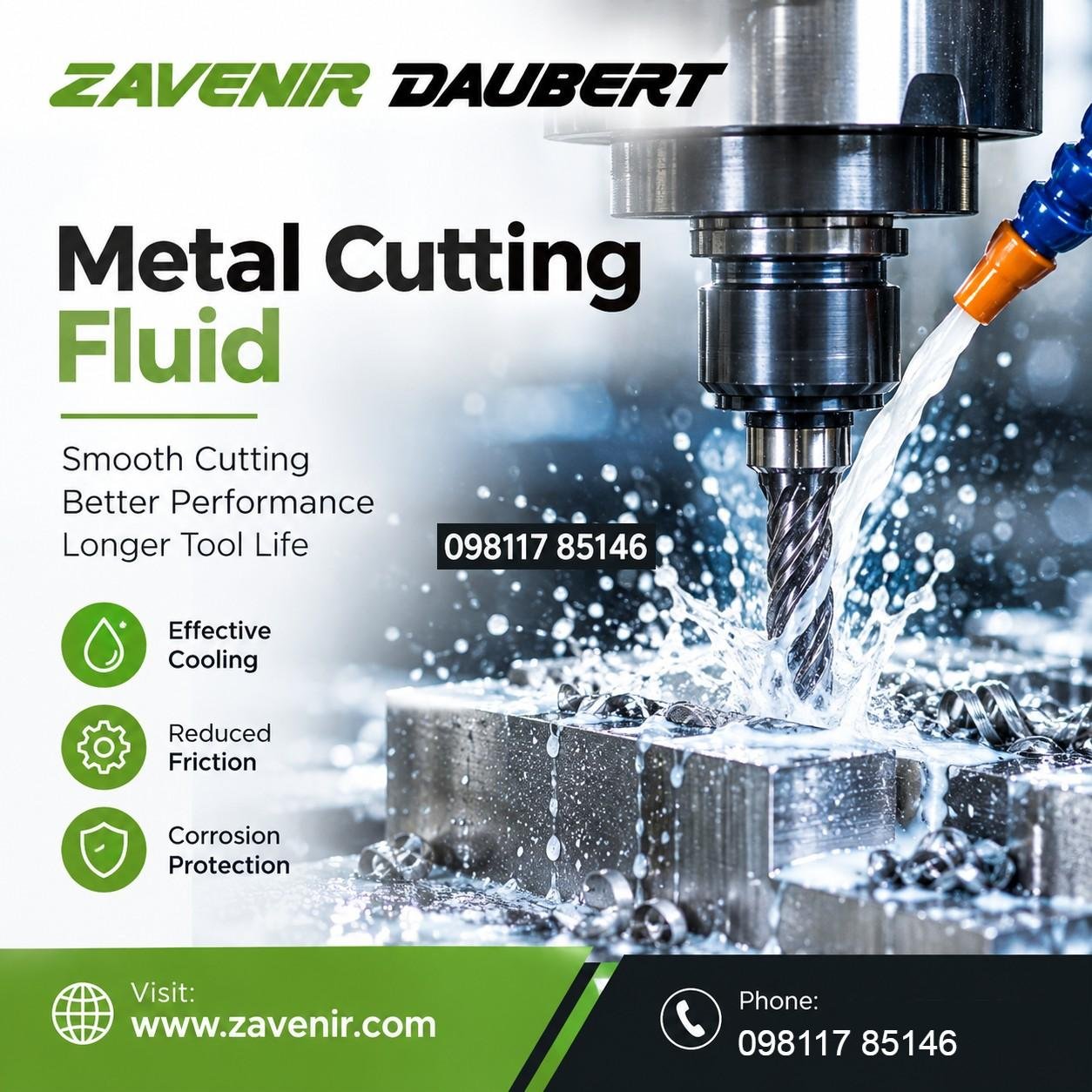
Metal cutting fluid plays an important role in modern machining by helping control heat, reduce friction, and improve the overall efficiency of metalworking operations. During processes such as turning, milling, drilling, and grinding, significant heat and friction can develop between the cutting tool and workpiece.
Using the right fluid can help maintain machining consistency while supporting longer tool life and better surface finishes.
What Is Metal Cutting Fluid?
Metal cutting fluid is a specially formulated liquid used during machining and metalworking processes. It is applied to the cutting area to provide cooling, lubrication, chip removal, and corrosion protection.
Different formulations are designed for specific machining requirements. The appropriate choice depends on the metal being processed, machining speed, equipment, and desired finish.
Why Is Metal Cutting Fluid Important?
Machining generates heat because cutting tools operate under considerable pressure and friction. Excessive heat can affect tool performance, dimensional accuracy, and surface quality.
A suitable metal cutting fluid helps manage these challenges by providing several important functions:
- Cooling: Helps remove heat generated during machining.
- Lubrication: Reduces friction between the cutting tool and workpiece.
- Tool protection: Can help reduce tool wear under demanding conditions.
- Chip management: Supports the removal of chips from the machining zone.
- Corrosion protection: Helps protect exposed metal surfaces from corrosion.
- Surface finish: Supports smoother and more consistent machining results.
Types of Metal Cutting Fluids
Metal cutting fluids are generally available in several categories, including straight oils, soluble oils, semi-synthetic fluids, and synthetic fluids.
Straight Cutting Oils
Straight oils are petroleum-based or formulated from other oils and are generally used where strong lubrication is required. They can be suitable for heavy-duty machining and operations involving high cutting forces.
Soluble Oils
Soluble oils are mixed with water before use. They provide a combination of cooling and lubrication, making them suitable for many general machining applications.
Semi-Synthetic Fluids
Semi-synthetic fluids contain a mixture of oil and synthetic components. They are designed to provide balanced cooling and lubrication while supporting cleaner machining environments.
Synthetic Fluids
Synthetic cutting fluids do not rely on conventional mineral oil as their primary base. They are often selected when cooling performance and cleanliness are important considerations.
How Does Metal Cutting Fluid Improve Machining?
The performance of a cutting fluid depends on its formulation and how effectively it matches the machining application.
During cutting, the fluid reaches the contact area between the tool and workpiece. It helps reduce heat and friction, allowing the machining process to operate more efficiently.
This can contribute to improved tool performance, consistent dimensions, reduced surface defects, and more stable production processes.
Factors to Consider When Choosing a Cutting Fluid
Selecting a metal cutting fluid requires consideration of several factors. Using an unsuitable product may result in poor machining performance, excessive foaming, residue, or inadequate corrosion protection.
Important considerations include:
- Type of metal being machined
- Machining operation
- Cutting speed and feed rate
- Machine configuration
- Required surface finish
- Water quality for water-mix products
- Fluid concentration
- Workplace conditions
- Maintenance and fluid monitoring requirements
Importance of Proper Fluid Maintenance
Choosing the right fluid is only part of achieving reliable machining performance. Regular monitoring and maintenance are also important.
Water-mix cutting fluids should be maintained at the recommended concentration. Contamination from metal chips, tramp oil, dirt, or other materials can affect fluid performance.
Regular checks can help identify changes in concentration, appearance, odor, and contamination levels before they negatively affect machining operations.
Metal Cutting Fluid Applications
Metal cutting fluids are used across various industries where machining and metalworking are essential. Common applications include automotive components, industrial equipment, engineering parts, aerospace components, and general fabrication.
They can be used with processes such as turning, milling, drilling, tapping, broaching, and grinding, depending on the formulation.
Choosing the Right Metal Cutting Fluid
There is no single cutting fluid suitable for every machining application. Product selection should be based on the specific requirements of the operation and the material being processed.
A reliable manufacturer can help users identify a suitable formulation based on machining conditions, equipment, performance requirements, and fluid-management practices.
Zavenir Daubert develops industrial solutions for metalworking and corrosion protection applications. Its expertise in industrial formulations supports businesses looking for suitable solutions for demanding metalworking environments.
Conclusion
Metal cutting fluid is an important part of efficient machining operations. By helping manage heat, friction, tool wear, chips, and corrosion, the right formulation can contribute to better machining performance and consistent product quality.
Understanding the different fluid types and maintaining them correctly can help manufacturers achieve reliable results while supporting equipment and tool performance.

 English
 Arabic
 French
 Spanish
 Portuguese
 Deutsch
 Turkish
 Dutch
Dutch
 Russian
 Romaian
 Portuguese (Brazil)
 Greek
Greek